My Preferred Complex Carbs
In the blog:
My Preferred Complex Carb Sources
For the longest time, carbohydrates have been misunderstood. Somewhere along the way, they got reduced to a single label: either good or bad. But carbs are not the problem. The type of carbs and how we use them makes all the difference.
This blog is a small window into how I understand carbohydrates, why complex carbs matter, and the specific plant‑based complex carb sources that genuinely work for me: for strength, energy, digestion, and long‑term sustainability.
A quick understanding of carbohydrates
Carbohydrates are the body’s primary source of energy. They fuel daily movement, workouts, recovery, and even brain function.
Broadly, carbs can be divided into two types:
1. Simple carbohydrates
These are shorter chains of sugar molecules. They digest quickly and give instant energy, but that energy doesn’t last very long.
Examples include refined flour, white rice, sugar, fruit juices, and packaged foods.
2. Complex carbohydrates
These are longer chains of sugar molecules, usually packed with fiber, vitamins, and minerals. They digest slowly, release energy gradually, and keep you fuller for longer.
Whole grains, legumes, starchy vegetables, and unrefined plant foods fall into this category.
The focus of my diet and this blog is on complex carbohydrates.
Why complex carbs matter (especially in a plant‑based diet)
Complex carbs:
- provide steady, long‑lasting energy
- support strength training and recovery
- improve gut health due to their fiber content
- prevent energy crashes and constant hunger
- work with the body, not against it
Instead of cutting carbs, I choose better carbs.
My preferred complex carb sources
These are the carbs I keep coming back to: not because they are trendy, but because they are practical, nourishing, and easy to include in everyday home food.
1. Millets
Millets form the backbone of my complex carb intake.
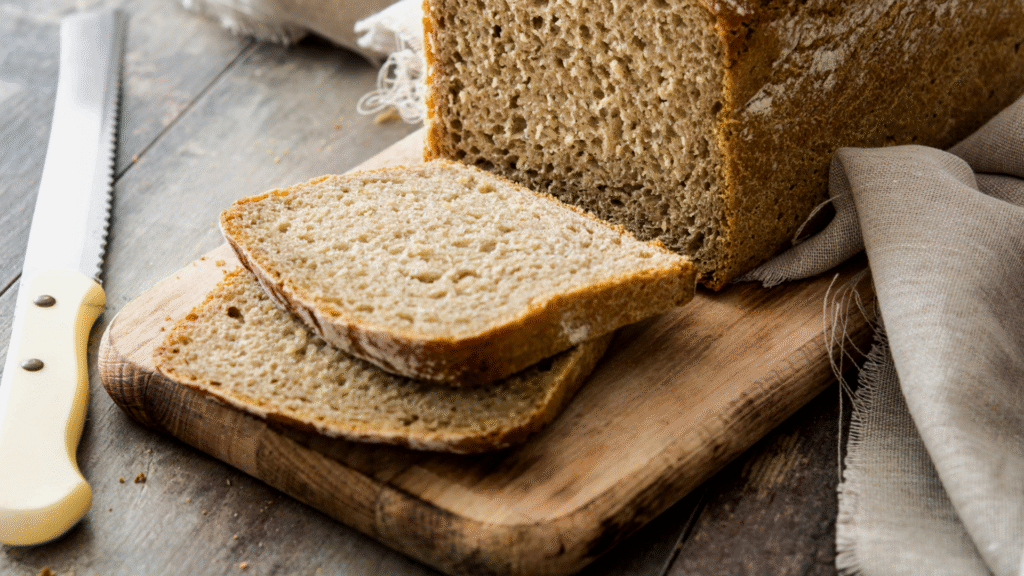
I usually make millet breads at home, especially:
- ragi bread
- jowar bread
I eat them in simple, grounding ways:
- with palak tofu
- with a cooked seasonal sabji
- or sometimes just by applying peanut butter on top as a light snack
Why millets work well for me:
- naturally gluten‑free
- rich in fiber and minerals
- keep me full for hours
- gentle on digestion
- deeply rooted in traditional, sustainable food systems
They provide slow energy without heaviness, which makes them perfect for daily meals.
2. Whole wheat atta
Whole wheat atta is another staple I rely on.
I mainly use it to make high‑protein paranthas, with fillings like:
- green peas
- soy granules
- tofu
These paranthas are usually paired with soy curd, creating a meal that is satisfying, balanced, and protein‑rich.
Why whole wheat works well:
- complex carbs with natural fiber
- easy to combine with protein‑rich stuffings
- keeps energy stable throughout the day
- familiar, comforting, and easy to sustain long term
Instead of avoiding paranthas, I simply design them better.
3. Oats
Oats are my go‑to post‑workout carb source.
I usually prepare an oatmeal bowl with:
- soy milk
- nuts and seeds
- plant protein powder
Why oats work well post‑workout:
- replenish glycogen stores
- support muscle recovery
- provide beta‑glucan fiber for gut health
- combine easily with protein and healthy fats
This bowl feels nourishing, not restrictive and that matters.
4. Quinoa
Quinoa holds a special place in my meals.
I often use it as a replacement for white rice, especially in lunch bowl meals.
What makes quinoa unique is that it’s not just a complex carb, it’s also a complete protein, containing all essential amino acids.
Why quinoa works well:
- steady energy release
- higher protein content compared to most grains
- pairs beautifully with vegetables, tofu, and legumes
- helps create balanced one‑bowl meals
It adds both structure and nutrition to my lunch.
5. Sweet potato & green peas
These two shine especially during winters.
Sweet potato
- I make sweet potato brownies during winters
- I use amaranth flour along with it to make the brownie more protein‑rich
Sweet potatoes provide warmth, comfort, and slow‑digesting carbs that feel perfect in colder months.
Green peas
- used in matar tofu sabji
- added to paranthas
- included in lunch bowl meals
Green peas are a beautiful combination of complex carbs and plant protein, making them both nourishing and versatile.
Why this combo works well:
- seasonal and affordable
- naturally nutrient‑dense
- support strength without heaviness
- easy to integrate into everyday cooking
Why these sources work so well together
What ties all these foods together is not just nutrition, it’s sustainability.
These complex carb sources:
- are minimally processed
- fit into home‑cooked meals
- support strength training
- nourish gut health
- are easy to maintain long term
They don’t demand perfection. They support consistency.
A closing thought
Complex carbohydrates are not something to fear or eliminate. They are something to understand, choose consciously, and use with intention.
For me, food has never been about restriction. It’s about support.
Support for strength.
Support for energy.
Support for a life that feels steady, nourished, and sustainable.
Choosing the right complex carbs has helped me train better, recover better, and stay consistent on a plant-based path, without forcing perfection. And that kind of nourishment goes far beyond the plate.